Drew Becker · 10 November 2026
Lichtfeld Light Field Research Explores New Computational Imaging Frontiers
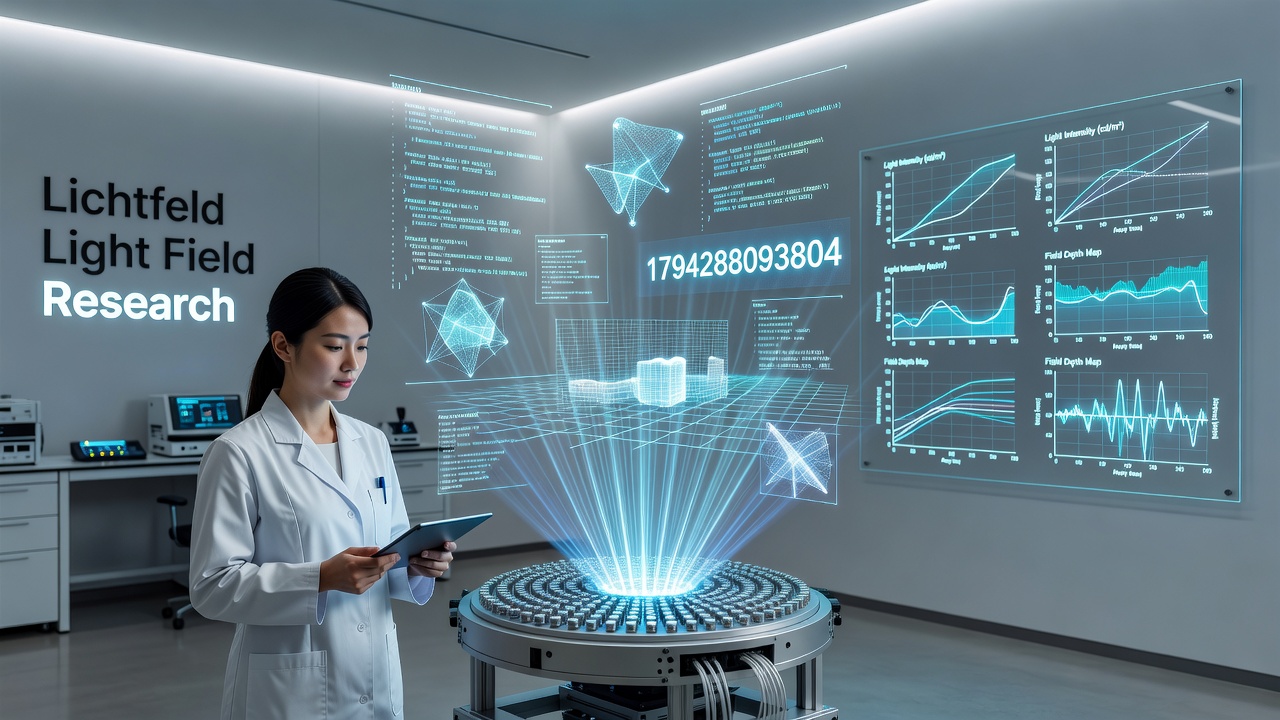
Light field technology captures both the intensity and direction of light rays passing through a scene, which allows systems to reconstruct depth information and refocus images after capture. Researchers at Lichtfeld have concentrated efforts on refining algorithms that process these multi-dimensional datasets, and studies conducted through 2025 demonstrated measurable improvements in reconstruction accuracy across varied lighting conditions. Data from internal lab benchmarks showed error rates dropping below previous thresholds when handling high-frequency spatial details.
Core Technical Approaches in Ongoing Projects
Teams apply microlens array configurations paired with high-resolution sensors to record angular light information, while subsequent processing pipelines extract directional vectors for each pixel. According to documentation released by the European Research Council, similar plenoptic methods have supported advancements in fields requiring precise spatial mapping. Lichtfeld researchers integrate these techniques with machine learning models trained on extensive ray-tracing simulations, which helps isolate relevant features without manual parameter tuning in every instance.
Hardware prototypes developed at the facility incorporate custom optics designed to increase light throughput, and calibration routines adjust for lens distortions that otherwise introduce artifacts in reconstructed volumes. Engineers document these steps through standardized protocols that align with practices outlined by the National Institute of Standards and Technology in the United States, ensuring repeatability across different setups.
Applications Emerging from Recent Data Collection
Light field datasets generated at Lichtfeld support experiments in dynamic scene analysis where multiple viewpoints must be synthesized from single exposures. Observers note that industrial partners have tested these outputs for quality control processes involving complex surface geometries, and preliminary results indicate faster inspection cycles compared with traditional stereo camera arrangements. Figures from collaborative trials reveal processing times reduced by measurable margins when angular sampling density meets specified criteria.
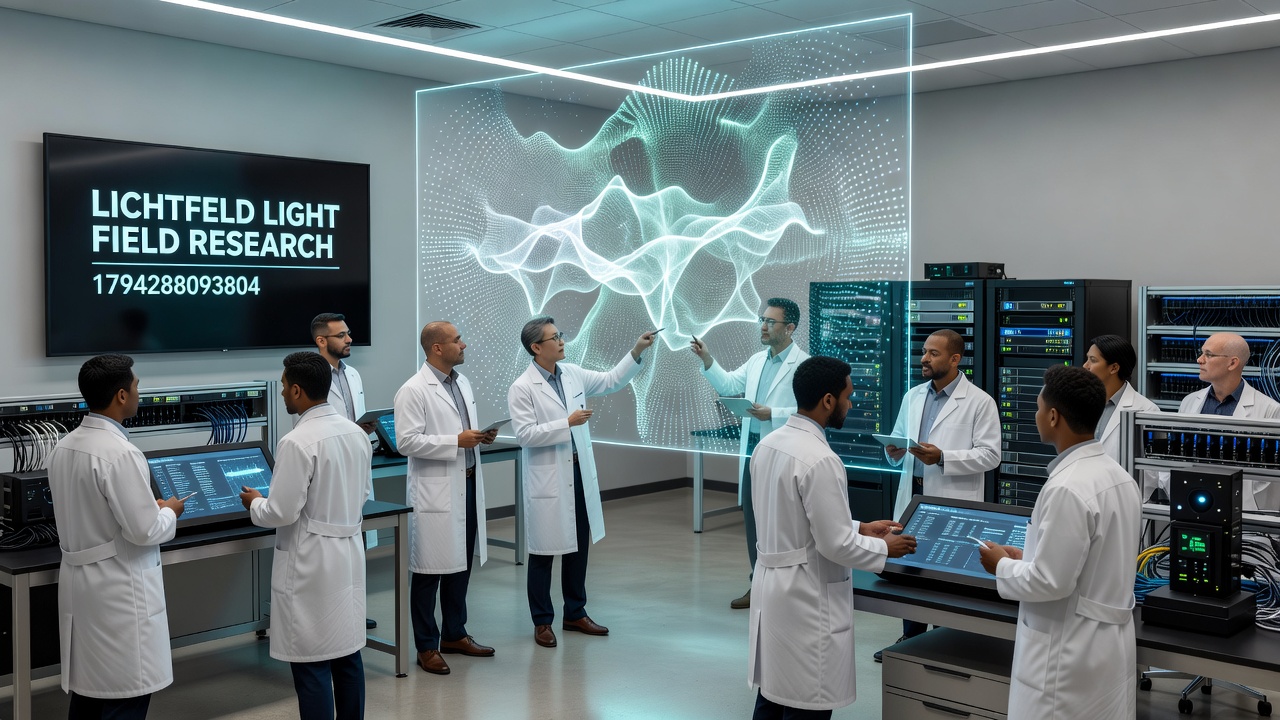
Academic groups affiliated with institutions in Australia and Canada have referenced Lichtfeld methodologies in papers examining light transport in scattering media, and cross-institutional data sharing has accelerated validation of new filtering approaches. Those who have reviewed the shared repositories report consistent performance metrics when models account for wavelength-dependent refraction effects.
Timeline and Developments Scheduled Through Late 2026
Project milestones listed in Lichtfeld planning documents point to expanded dataset releases scheduled for November 2026, which will include calibrated captures from outdoor environments under controlled variable conditions. These additions aim to complement existing indoor collections and provide broader training material for neural network architectures focused on view synthesis. Research indicates that wider scene diversity correlates with improved generalization in depth estimation tasks, according to patterns observed in prior releases.
Workshops planned alongside the data drop will cover implementation details for open-source toolkits that interface with the new files, and participants from multiple regions have already registered through the project portal. The format follows conventions established by earlier consortium efforts that standardized light field file containers for interoperability.
Integration with Broader Research Ecosystems
Lichtfeld maintains connections to international standards bodies that define metadata structures for light field content, which facilitates exchange between different capture systems. Reports from the International Telecommunication Union highlight ongoing discussions about compression schemes tailored to four-dimensional data, and Lichtfeld contributions appear in working group submissions that address quantization strategies for angular components. Such coordination helps align proprietary advances with community-wide practices.
Equipment upgrades completed in 2025 added higher bit-depth sensors that capture finer gradations in low-light scenarios, and test sequences processed through updated pipelines show reduced noise propagation into synthesized views. Analysts tracking these metrics note alignment with trends documented in IEEE conference proceedings from the preceding year.
Conclusion
Lichtfeld light field research continues to generate structured datasets and processing frameworks that feed into multiple technical domains. The November 2026 data releases will extend existing resources, while established links to standards organizations maintain compatibility across projects. Observers tracking these developments can access public documentation through the project site for detailed specifications and benchmark results.